“The plutocratic system he represents is nothing more than a branch of the international Jewish gangsterism that seeks to subject the world to its criminal will."
Joseph Goebbels, May 9. 1943 in “Das Reich”
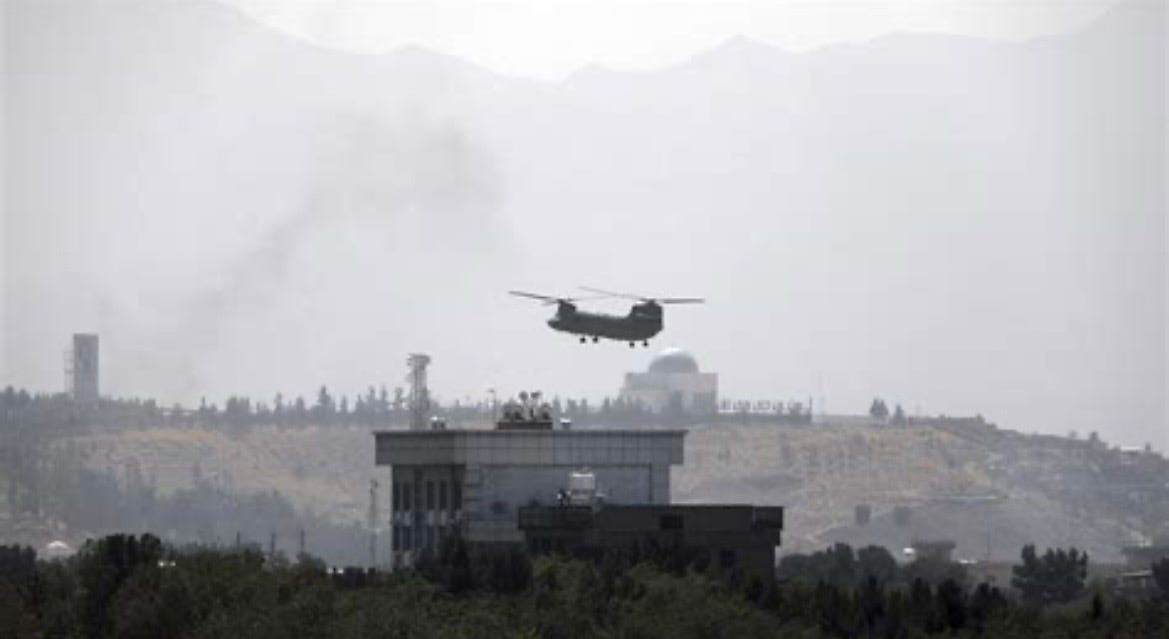
When the United States withdrew from Afghanistan, the president of this NATO protectorate scuttled out of Kabul on a helicopter stuffed to capacity with bags of cash. Millions to be sure, but ultimately only a tiny fraction of the trillions that taxpayers in the U.S., Europe, Japan, and South Korea had handed over to their duly elected leaders. All to prop up the world’s most profitable narco-state and to fill the coffers of the military-industrial complex. During the twenty years of NATO’s excellent little war, Afghanistan had accounted for 9/10ths of the global opiate supply. Mission accomplished.
Saigon flashback - another profitable war ends with airlifted loot
Across the GWOT years, the public was treated to thrilling stories about Green Berets on horseback riding to victory with the Northern Alliance, Navy SEALs fighting heroically against impossible odds, Osama bin Laden snatched by top tier operators. Gushing stories, tell-all books and news specials were inevitably fluffed up into movies and TV shows by the same media companies who parroted the DoD news releases.
Acronyms and abbreviations like DEVGRU, JSOC, SOCOM became part of public discourse, alongside captivating imagery of super soldiers with tacti-cool kit from head to toe.
Under Obama, the GWOT finally became a total JSOC affair and the horrors unleashed in Iraq and Afghanistan were carefully redacted into awesome first-person shooters on X-Box and PlayStation.
“Come goon with us…!”
Blowback
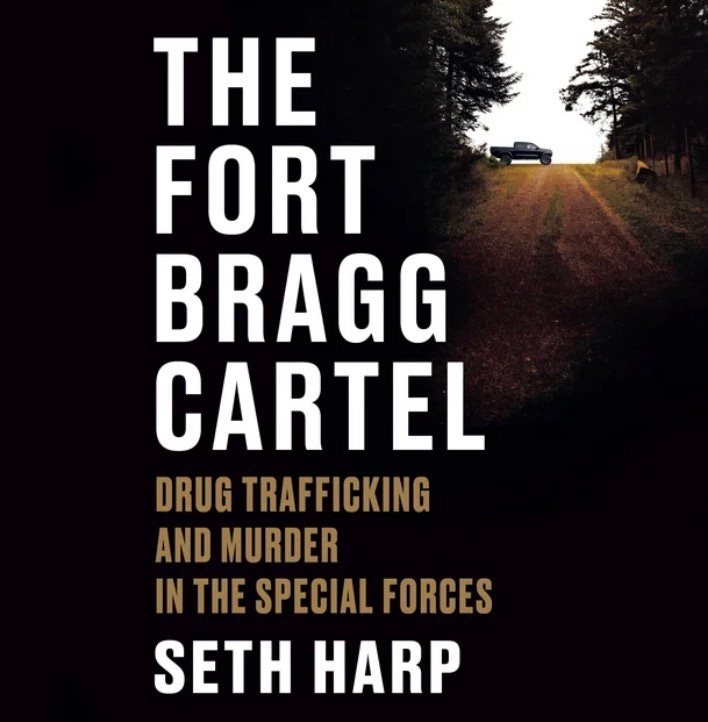
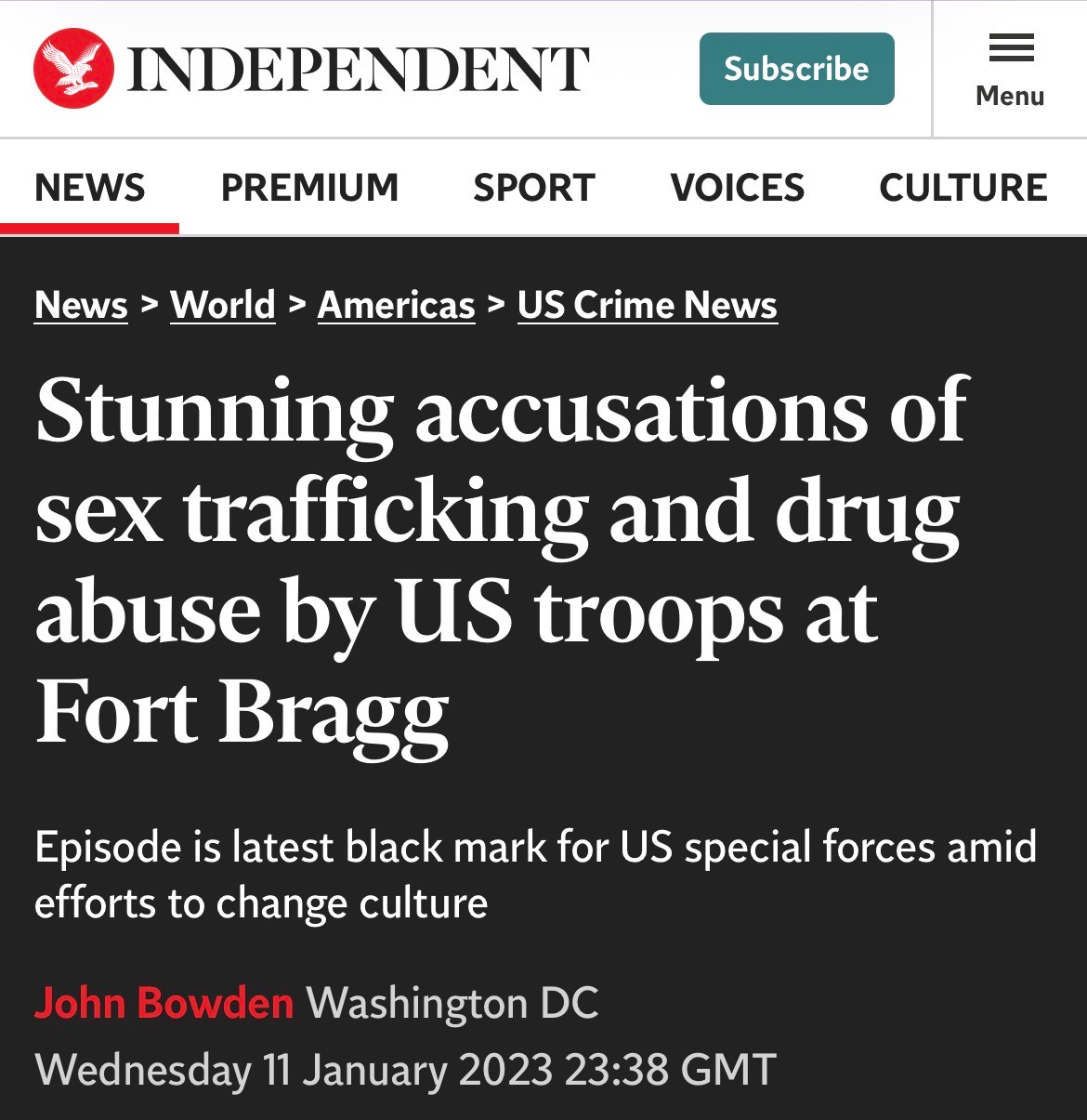
But imperialism always comes with a backwash that brings home the evils of the enterprise abroad. In his book The Fort Bragg Cartel:Drug Trafficking and Murder in the Special Forces, author Seth Harp recounts in excruciating - and somewhat sensationalist - detail what the Army Special Forces community is really all about, how their subculture has dominated life around Fayetteville, N.C., and how it all throws into stark relief what America has become.
Side bar
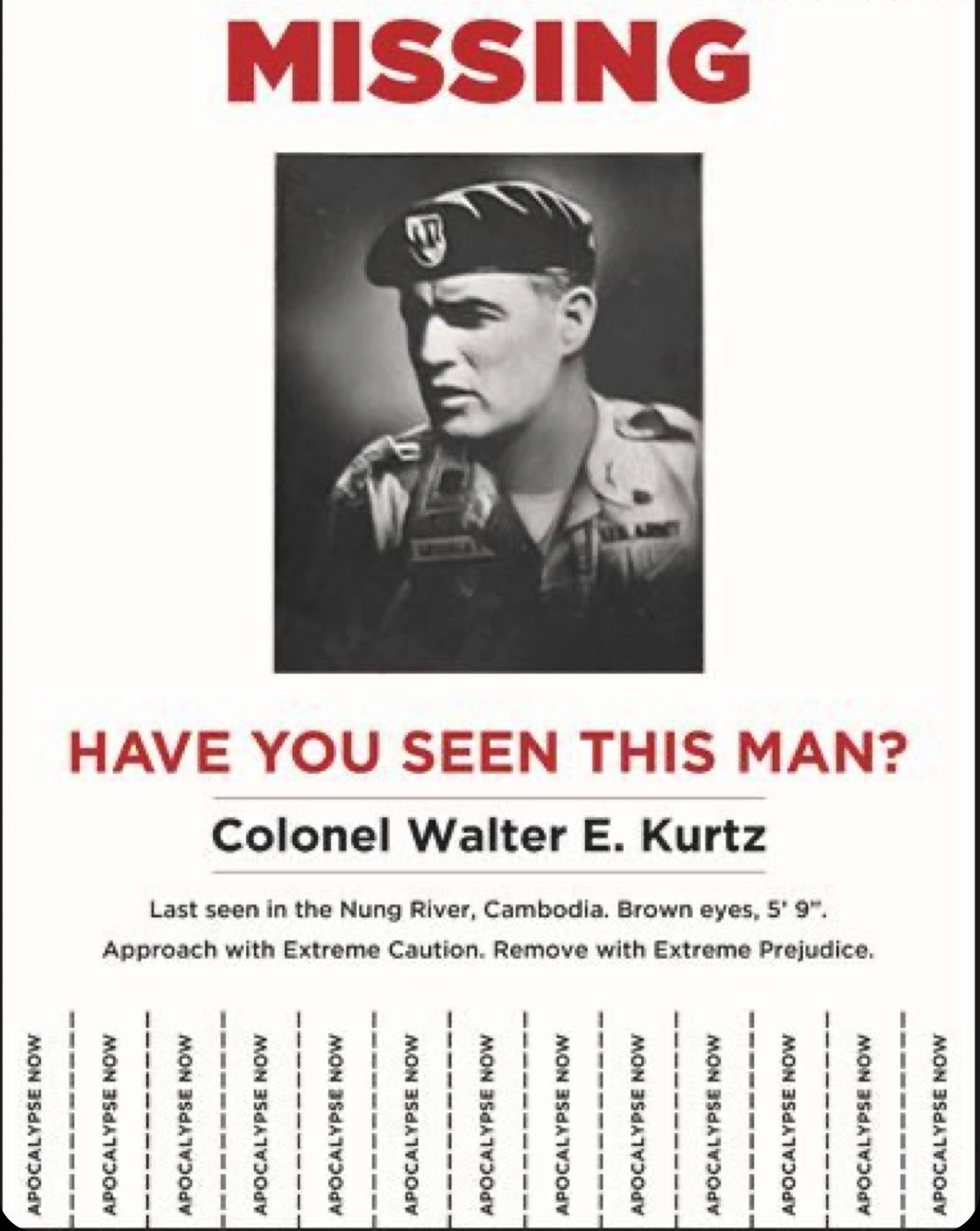
When I lived in the Middle East, during second half of the GWOT, I became very interested in special forces activities in the region. As a college student, I had gotten to know a Green Beret colonel with two tours in Vietnam and had gotten a sense that the likes of Colonel Kurtz and Captain Willard were almost inevitable in counterinsurgency wars. Remove enough of the institutional and civilizational control mechanisms ,and just watch the unmoored warrior who kills for the sake of killing emerge.
The greatest movie ever made - debate me on that!
Also, when you live in the Arab world - as a non-self hating European - you can’t help but become a little interested in those that are killing a lot of the co-ethnics and co-religionists of the people around you. Live vicariously through the illuminated optic of a SEAL sniper, out of sheer impotent aggression, prompted by a poor professional decision.
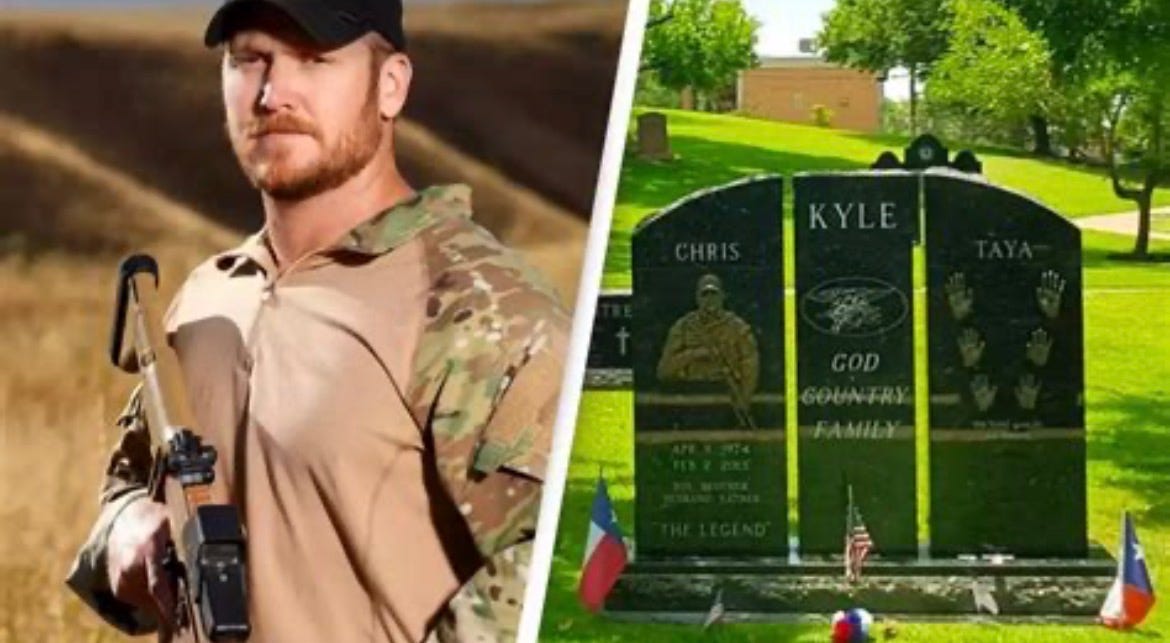
So I read about a dozen memoirs and non-fiction books on Delta Force, the SEALs, and the Green Berets in the Middle East, only to conclude that there was nothing uplifting or even remotely satisfying to see here at all. I felt soiled by letting these people into my head. Long before I even got to the dead-eyed killer Chris Kyle, I had detected a pattern: to a man, these top-tier operators came from broken homes, with absent or abusive fathers, who channeled their anger into becoming highly trained killers. Even in all these redacted mainstream books, a picture emerged of wholesale slaughter abroad using a domestic resource of unlimited quantity at home – damaged young men.
Even Clint Eastwood couldn’t make this guy even remotely sympathetic
Fort Bragg - Fort Liberty and back
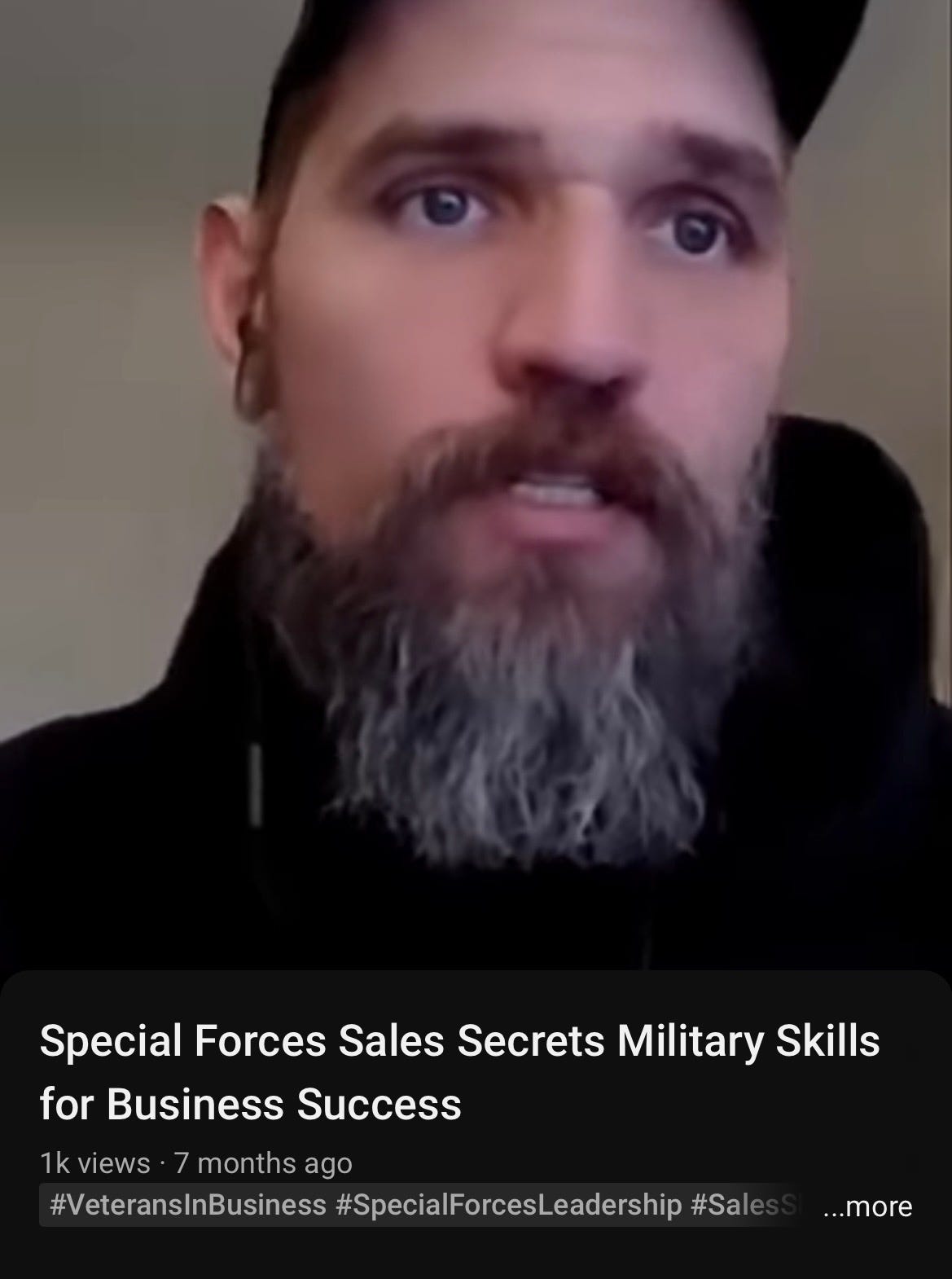
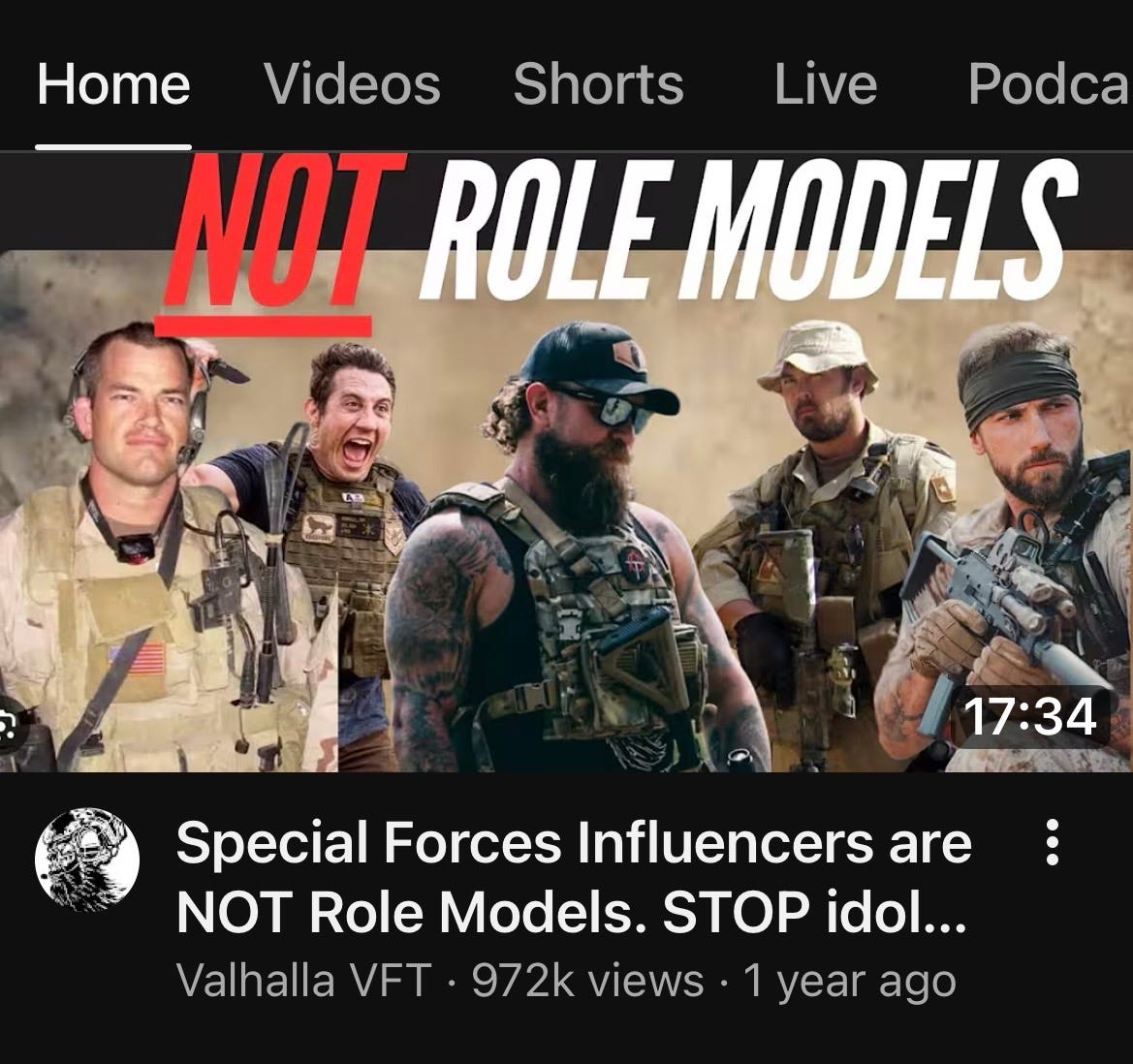
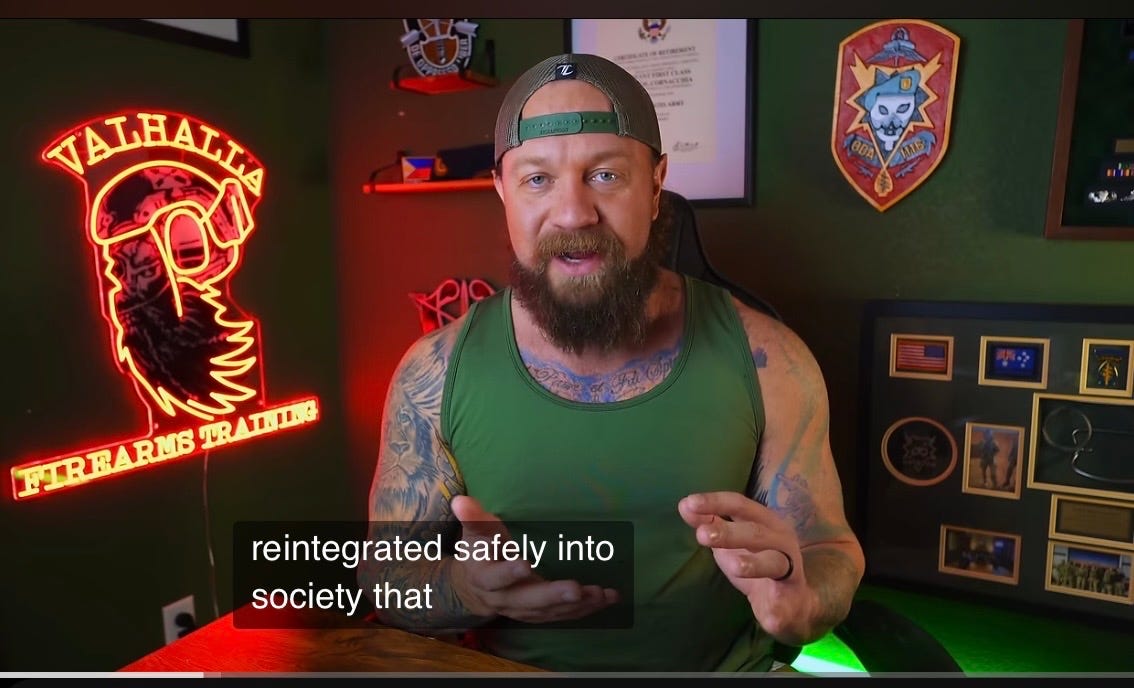
Thousands of television hours, hagiographic movies, FPS games and spec ops YouTube shows later, inflationary glorification seems to have devalued the Soecial Forces brand somewhat. The YouTube video below should be satire but it is not - there are still overweight, pleated khakis-wearing shower curtain ring salesmen who thrill to being trained by a SEAL on how to move more units:
“Find, Fix, Finish that client - like an operator!”
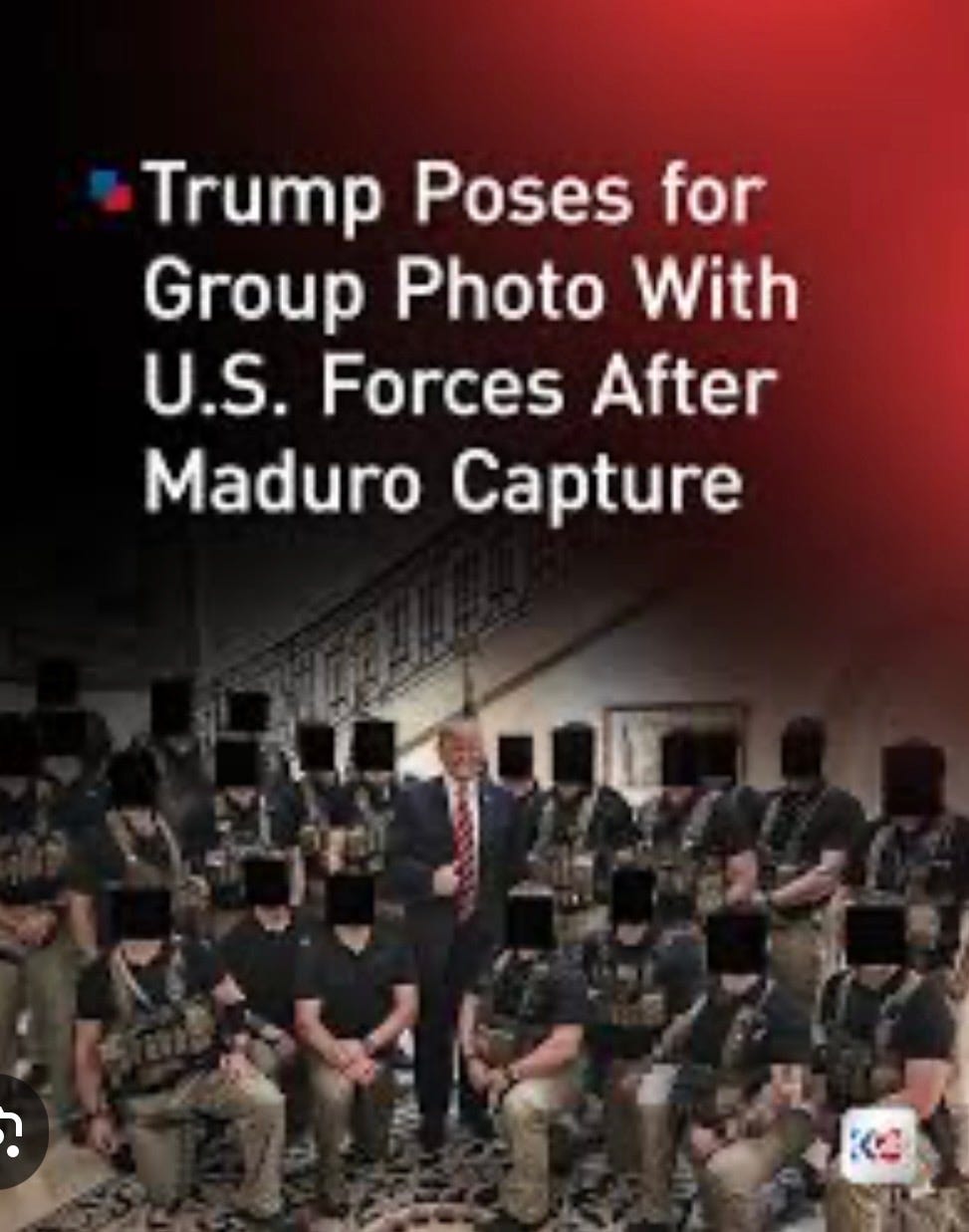
The gap between pop-cultural representation and dire reality has become unbridgeable, and only the most retarded rightoids still swoon at the sight of a kitted-out SpecOps killer. That is, until the Venezuela raid once again triggered absolutely breathless fawning over America’s best door-kickers and life-takers
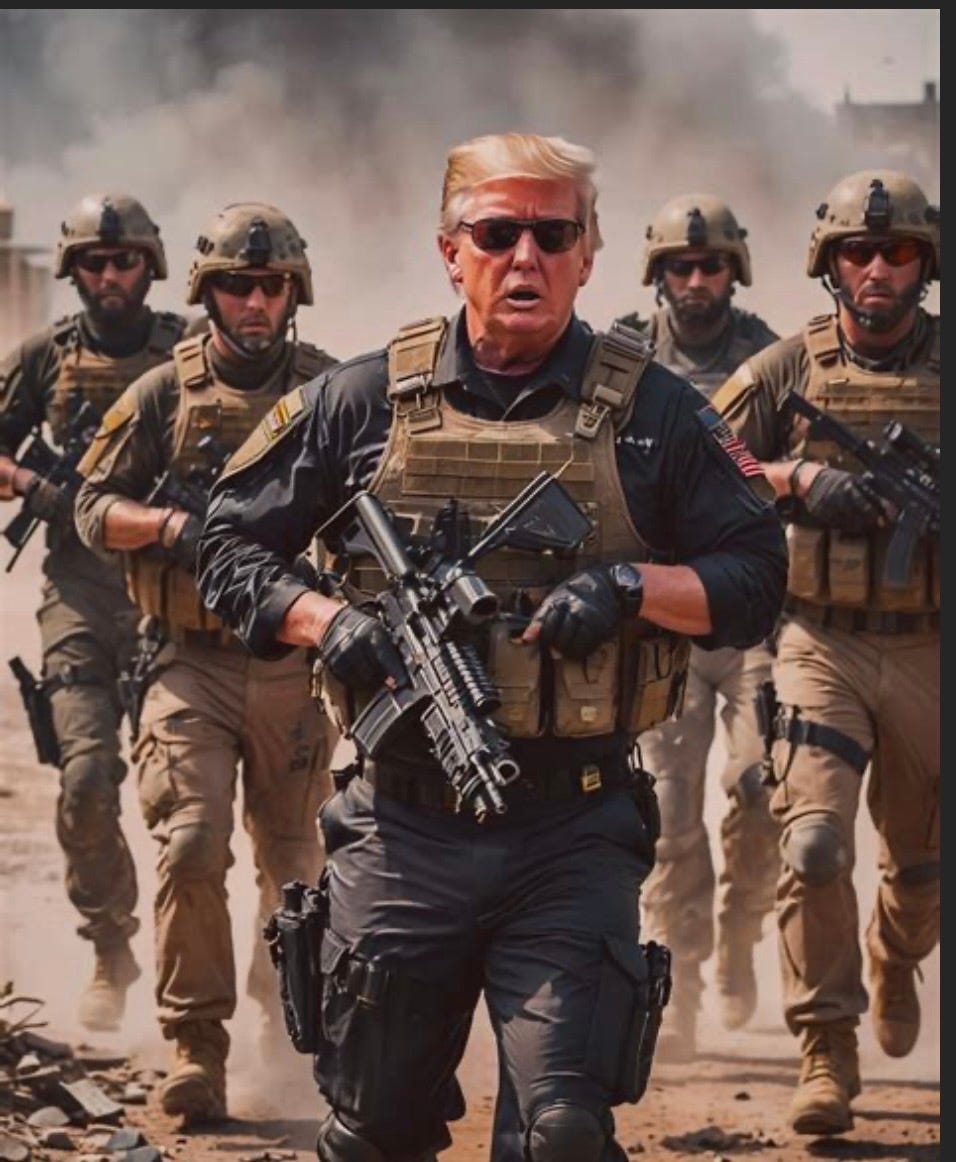
The image of Trump surrounded by Delta force operators led to paroxysms of glee, shockingly even from some people on the Right that I sort of respect (Kevin DeAnna, for example, certainly embarrassed himself):
“Check out all the white guys in the photo with Trump - we are so back!”
On behalf of Elliot Management, Paul Singer says thank you.
Men without military experience tend to overdo adoration for all things military. To be fair, if I hadn’t served, I’d probably also feel like I missed out on a traditional rite of passage most young men have experienced since we first picked up a stick as a species. But those of us who have worn a uniform also know that the military is really just a microcosm of the wider society . No worse and ideally slightly better than any other cross-section of the population at large. As right-wingers who see humans as flawed, we instinctively agree that the imposition of hierarchy, discipline, a collective identity and respect earned through merit, can serve to ennoble the individual. In an ethnonationalist state, the effect on young men and society can be downright salutary. That’s about it.
But In the case of a society that has become an undifferentiated mass of culturally deracinated pieces of flotsam and jetsam, any close up of the people serving in uniform is not going to be pretty.
Sensationalist muckraking, true-crime exposé, declaration of imperial bankruptcy
Seth Harp’s book is worthwhile reading not least because doing so will dispel any residual awe or reverence for the U.S. military’s top tier soldiers and the society that spawned them. I was unprepared for the sheer scope of horrors that unfolded on every single page:
We get to meet a Delta Force operator who has brought back his Belgian Malinois from Afghanistan. At parties he would share helmet cam footage of enemy soldiers getting torn to pieces, whose brains became a special treat for his beloved puppy.
Green berets who do drive-by shootings on their pregnant girlfriends, killing both the girl and the unborn child.
Assassinations, large scale drug smuggling operations, rape, …. an unending and highly unappetizing rap sheet of character indictments, the likes of which I had previously only read about in accounts of America’s involvement in Vietnam.
Then I got to the Delta operator who was holding his infant daughter in one hand while holding a gun in the other, with which he shot his pregnant wife, using armor piercing rounds. She then proceeded to give birth, as she lay dying, to a stillborn girl.
Internecine influencer hissy fit
Not stuff I like to read. True crime is a degenerate genre. But I couldn’t stop reading because the book rises above the lurid lowlife operators every time it connects their crimes to those of the state that created them. Harp lays out a whole tapestry of putrid corruption involving district attorneys, entire police departments, the Army’s CID, the DOD, DOS, the FBI, as well as media outlets at all levels, conspiring in thousands of cases to let operators get away with their crimes at home over and over again so that they can get back to committing crimes abroad. The ones that nobody cares about.
For instance, I was unaware that a member of the military could be convicted of drug running, serve 10 months in federal prison, and then be reinstated to serve in the special forces and be deployed again. Decorated, honorably discharged and retired with a full pension. I can’t even get out of a speeding ticket or explain a missing receipt during tax season!
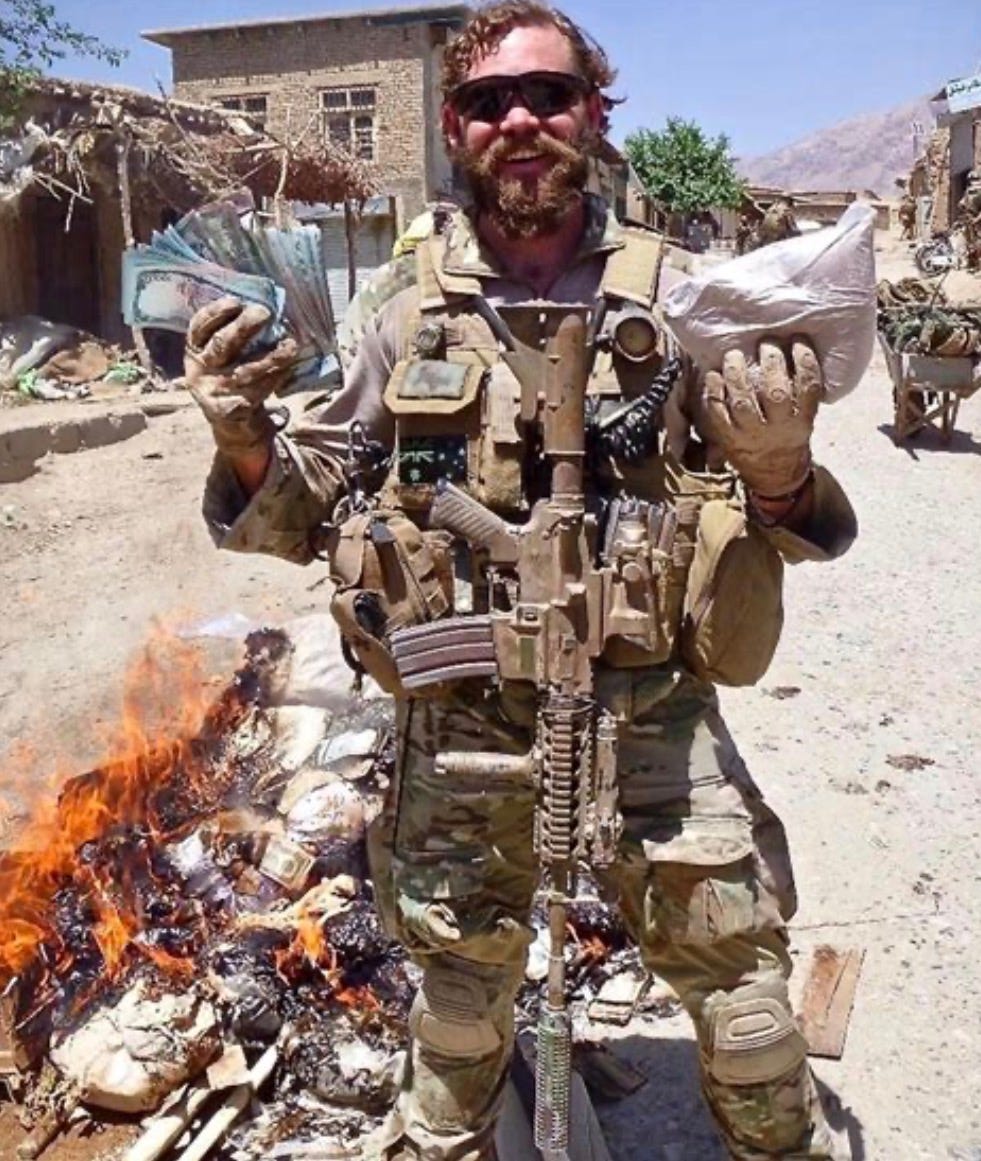
But it all makes sense when we recognize that focusing on the individual soldier who comes back from Afghanistan with $30,000 taped to their body - routine, apparently- is a distraction. The entire country is a gangster operation and needs these men to be their enforcers around the world. So who cares if lives are ruined and people are killed back home if it can be swept under the rug and the red line goes up and up and to the right?
When you look at Donald Trump, surrounded by Delta operators after the raid on Maduro, there is nothing glorious to see here. Just a gangster surrounded by his goons. Without question, these men are excellent killers and I would even call them warriors, but they’re not soldiers in the traditional sense. There is no country to fight for, no nation to defend, no people, no higher idea. At no point in the book does anyone at any rank refer to patriotism or any other idealistic reason for joining the special forces. Just as insecure, high-IQ civilian strivers join McKinsey & Co after graduating from an Ivy League school, so do their brawnier but lower class brethren after high school join the military - from regular grunt to Ranger school and on to the top tier operator units. Both groups are mercenaries in the service of finance capital. Neither care what gets wrecked in the process.
What emerges from the pages of the book are people who behave just like their political and military leaders, only at a smaller scale. Even after a cursory look at all those special forces influencers on YouTube, any clear-minded person will conclude that the biker gang aesthetics are genuine. This is not a pose, it’s the physical manifestation of their moral character.
The Tattoos, sleeveless T-shirts, stiff-brimmed baseball hats (worn backwards, naturally), manly beards, flip-flops and basketball shorts. Everyone is addressed as “bro” (when did white men start doing that?) or with the more Polynesian-scented “brah”. America’s finest, revealed in all their epic vulgarity.
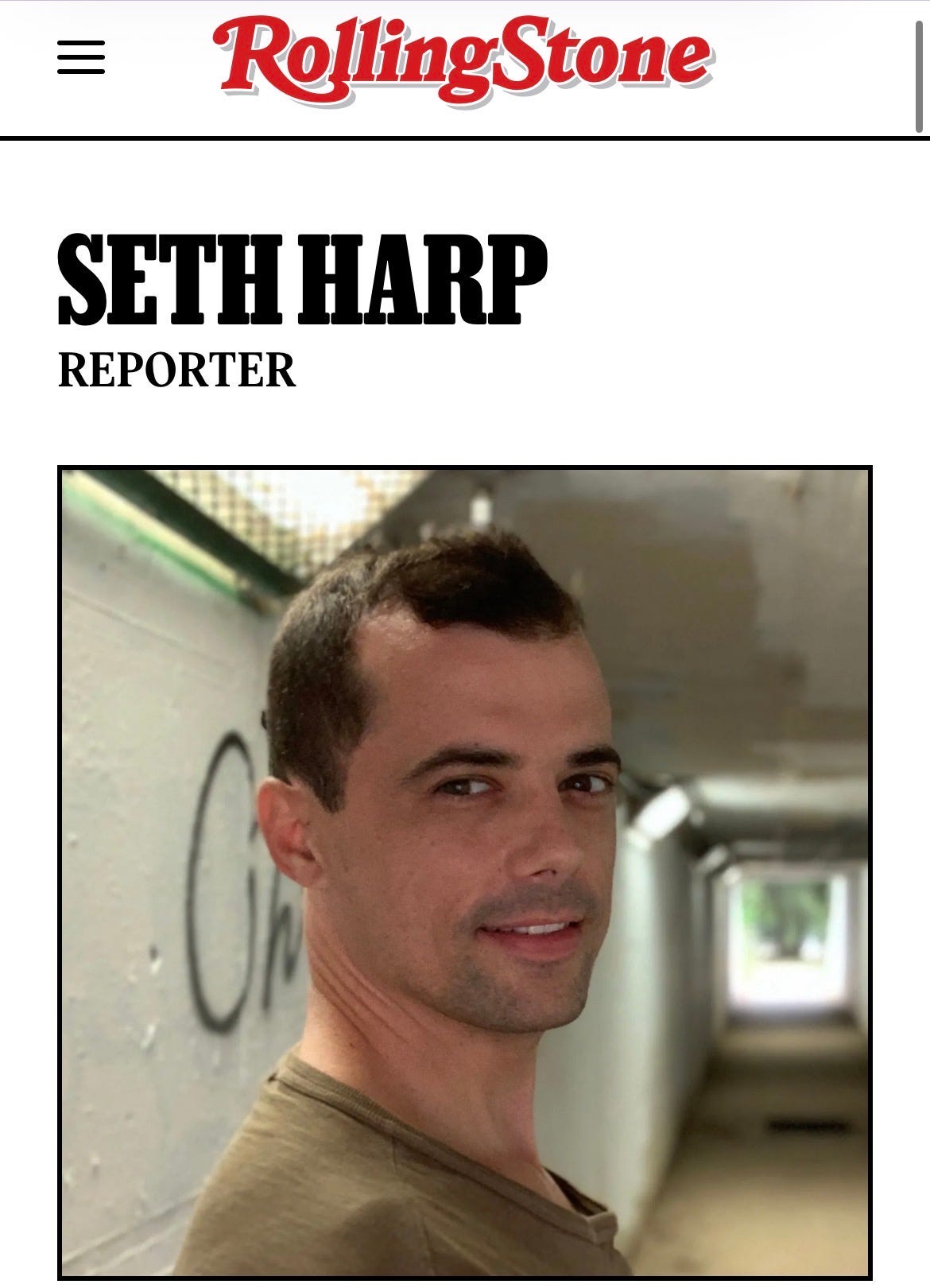
As an author for Rolling Stone, Seth Harp has some serious liberal priors. The writing is tendentious but it’s not spiteful. Harp deployed as a reservist to Iraq and one gets the sense that his motivation is disgust, rather than malice. One chapter, late in the book, seems almost inserted by the publisher or editor to ensure some woke boxes are checked. He makes limp-wristed gestures towards supposedly rampant racism and connects Fort Bragg with its Confederate namesake, but it feels half-hearted and out of step with the rest of the book.
Frontier-fighters and American Myth
The 21st century special forces soldier became an important icon because he represents an important iconic figure in America’s mythical landscape, one that dates back to the early days of the frontier. James Fenimore Cooper’s Leather stocking Tales featured Natty Bumpoo, the “man who knows Indians”. A scout who has gone a little bit native so he can defeat the savage enemy at their own game. Countless westerns - a genre that has fallen out of favor but whose archetypes continue in other forms - were set on the frontier “where savagery and civilization meet” (Frederick Jackson Turner) and the American national character was forged.
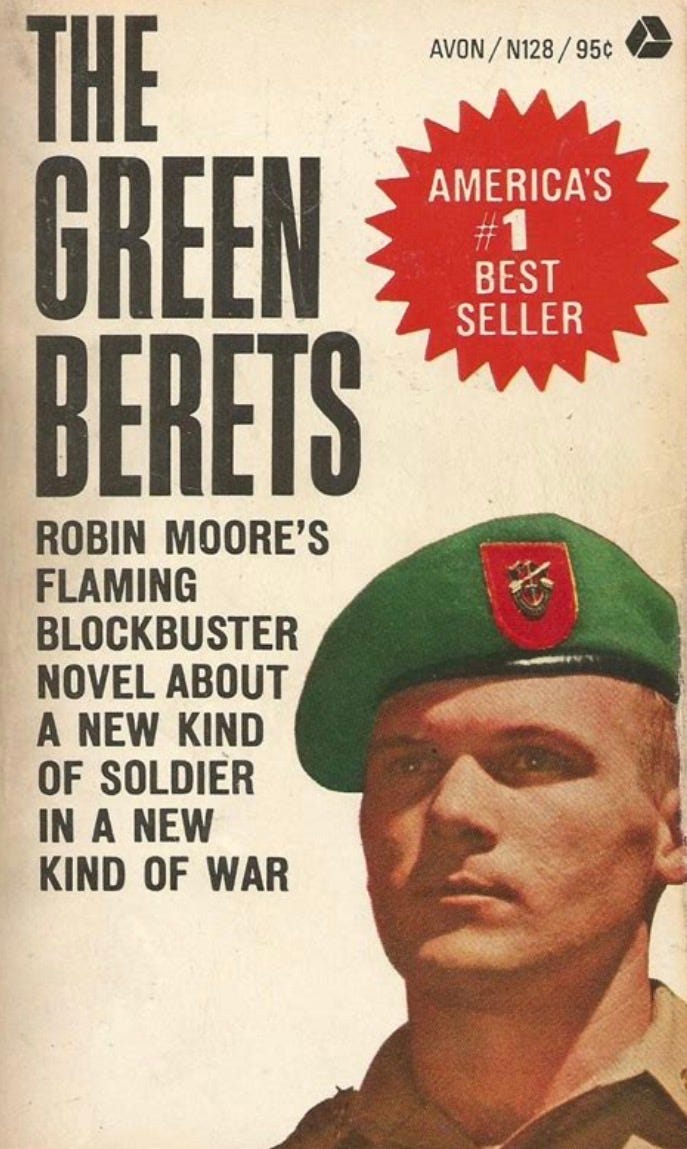
Later, the Green Beret, an elite combination of the Peace Corpsman and the soldier, became the quintessential symbol of JFK’s national renewal program. Of course it was labeled as “The New Frontier”. Kennedy's well-publicized interest in the Special Forces made them extensions of the commander-in-chief, just as the Hunters of Kentucky and the Rough Riders had once magnified the respective images of Andrew Jackson and Theodore Roosevelt.
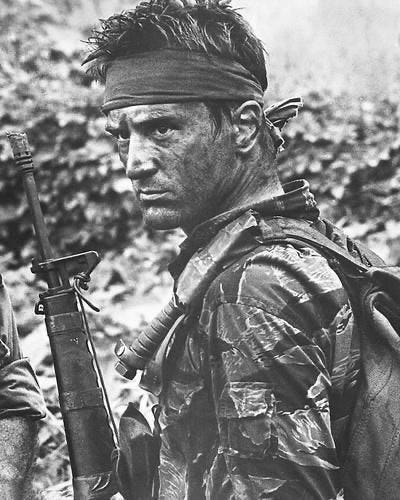
Headband, streaked face, prominent knife
The ensuing mass slaughter in Southeast Asia - free fire zones, Agent Orange, more ordnance dropped than in all of WWII - tarnished the image of the American frontier hero a bit. But as early as 1978, he reemerged, conflicted but pure of heart, in the Oscar-winning movie The Deer Hunter.
He was restored to full glory in the Reagan years as John Rambo or Colonel Braddock. The GWOT put him in overdrive, an irresistible figure with night-vision goggles, suppressed rifle, chest-rig and Oakley sunglasses. Master enforcer in the Empire of Lies.
Drugs & cash - living the American Dream
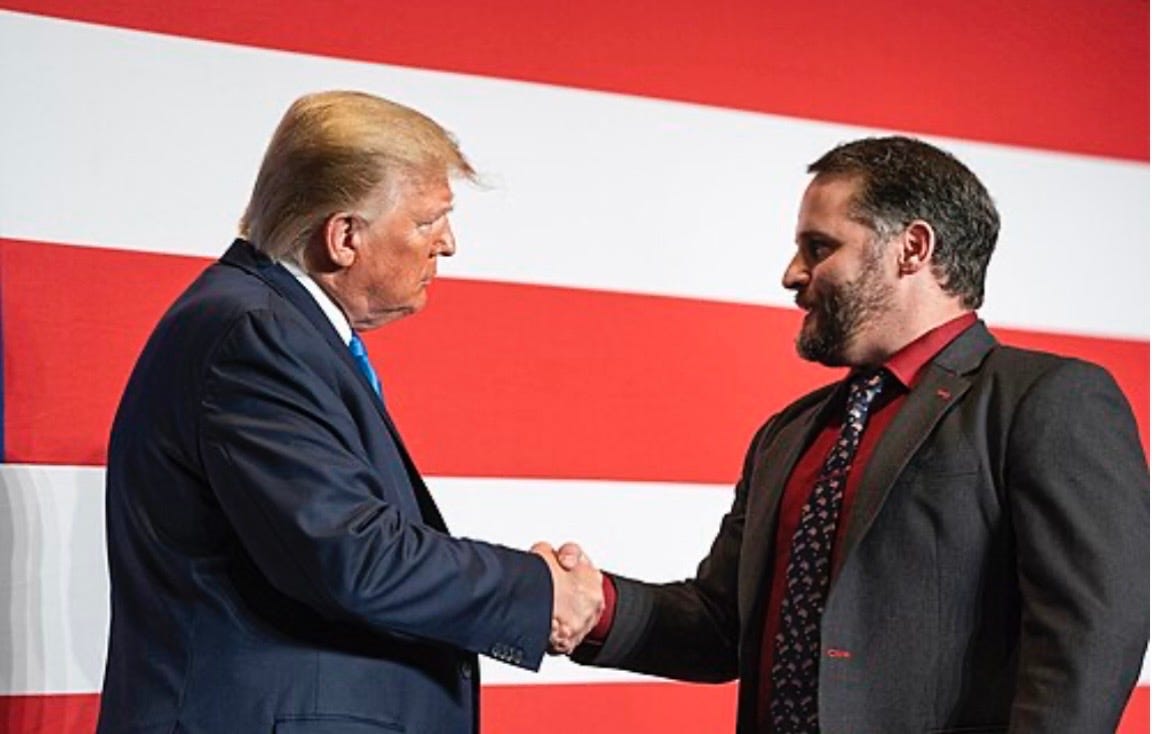
As the author notes in the book’s final chapter, America’s forever wars, whose goals are never met (Afghani girls going to school much these days?) have only served to make the United States the chief villain of the 21st century. While the book doesn’t spend too much time analyzing foreign policy, every time it does connect the dots between Washington D.C. and Fort Bragg, it gets a little too hot for its mainstream author, so he changes the subject. However, readers that are hip to the Red Sea Pedestrians and their total control of the empire, will pick up on many an under-explored issue, pointing to the usual suspects. For instance, Delta Force routinely trains in Israel on techniques that are only hinted at. The author also mentions that both Trump administrations have done everything to protect JSOC from even a hint of oversight or accountability. So it’s only natural that among the many tiny hat malefactors Trump has pardoned, we also find a Cpt. Matthew Golsteyn who knifed an unarmed Afghan teenager to death in 2010 and then boasted about it on TV.
“Thanks for the pardon!” - “No, thank YOU for being a zealous killer.”
Another chapter is called “Rise and Kill”, without ever explaining the provenance of that motto. I suspect the author is hip to the Q, but pursuing it is commercial and professional suicide. After all, HBO is already in development for a mini series based on the book. One can see it already as a sort of sequel to the subtle, acerbic and truly excellent “Generation Kill” (2008). It will serve as a fitting bookend to America’s first two decades as the rampaging hegemon of the 21st century.
My copy of the 1965 book by Robin Moore. So squeaky clean, and I believed every word.
The “Fort Bragg Cartel” is about a toxic culture of addiction, criminality, madness, violence, and impunity. More than the story of one military base or single branch of service - it is an interrogation of the dying American empire. It won’t be missed .